|
2D
materials
Chair: Dr. Yannick Dappe, C2N-CNRS, France
|
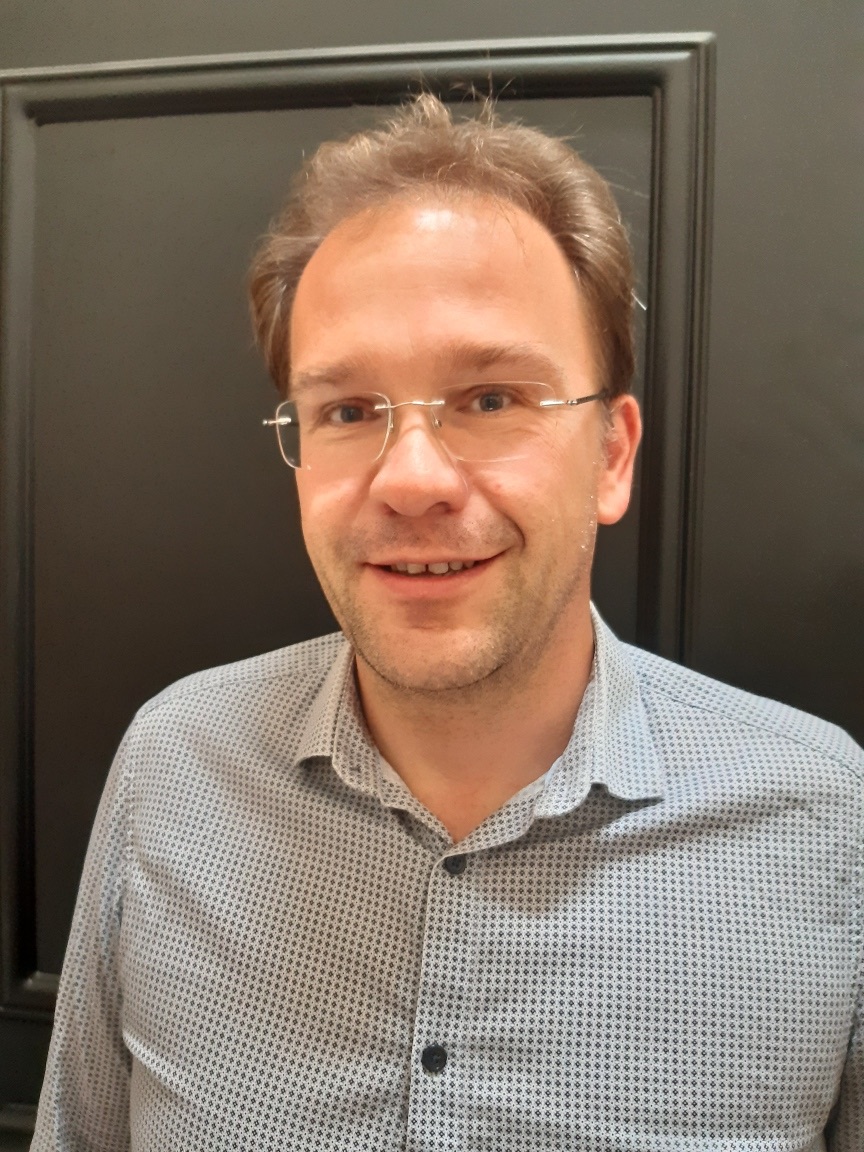
Dr.
Yannick Dappe
|
Yannick
J. Dappe obtained his PhD at Strasbourg University in 2002 on the
theory of nonlinear optics on metallic surfaces. He went to the group of
Prof. F. Flores at the Autonomous University in Madrid (2004-2008) to
learn Density functional Theory (DFT) methods and
developed expertise in theory of van der Waals interactions in graphene
and carbon materials, and electronic properties of molecules on
surfaces. In 2008, he has been hired as CNRS researcher, and he is now
CNRS Research Director at the Center for Nanosciences
and Nanotechnologies (C2N – CNRS – University Paris Saclay). His main
research interests focus on the theoretical study of graphene, 2D
materials and van der Waals heterostructures, charge density waves in 2D
materials, electronic transport in nanostructures,
STM image simulations and Molecular Electronics, using DFT and
Keldysh-Green methods. Besides he is deputy head of the GDR NEMO which
puts together all the researchers in Molecular Electronics in France.
|
|
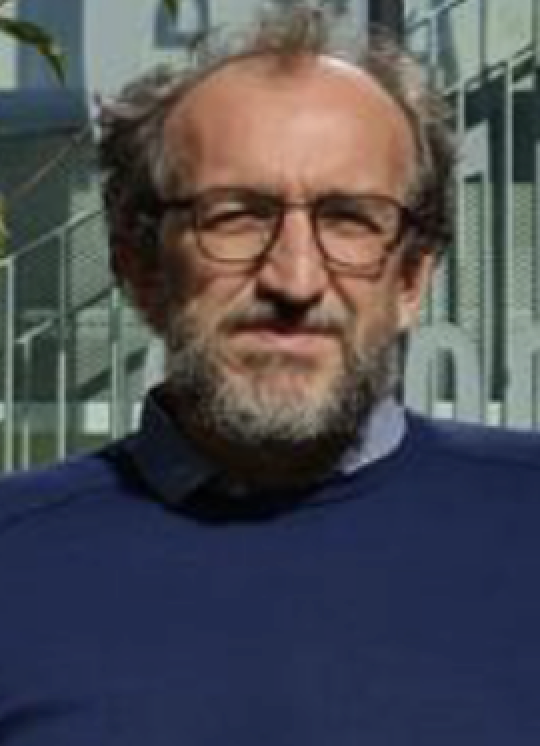
Dr.
Laurent
Simon
|
Laurent
Simon is CNRS-Research Director at the Institut de
Science des Matériaux de Mulhouse (IS2M-UDS- UHA-CNRS, France). He leads the
department of “Physics of low dimensionality systems”. He is scientific coordinator of the France
2030-Excellence(s) project Mat-Light 4.0. He is expert
in functionalization of 2D systems, scanning
tunneling microscopy (STM) and band
structure measurement by ARPES and the link with Quasi-Particle Quantum
interference pattern observed with STM (F-STS). The focus of his research are supramolecular ordered structures,
supramolecular crystals, molecular self-assembly to create functional and
controllable surface materials. His activities are also focused these last 10
years on the 2D material, graphene, MoS2 and mixed dimensional heterostructures,
particularly epitaxial graphene on silicon carbide and the means to modify its
electronic properties by several approaches, molecular functionalization with
covalent and no-covalent grafting, metal intercalation and fluorination.
|
|
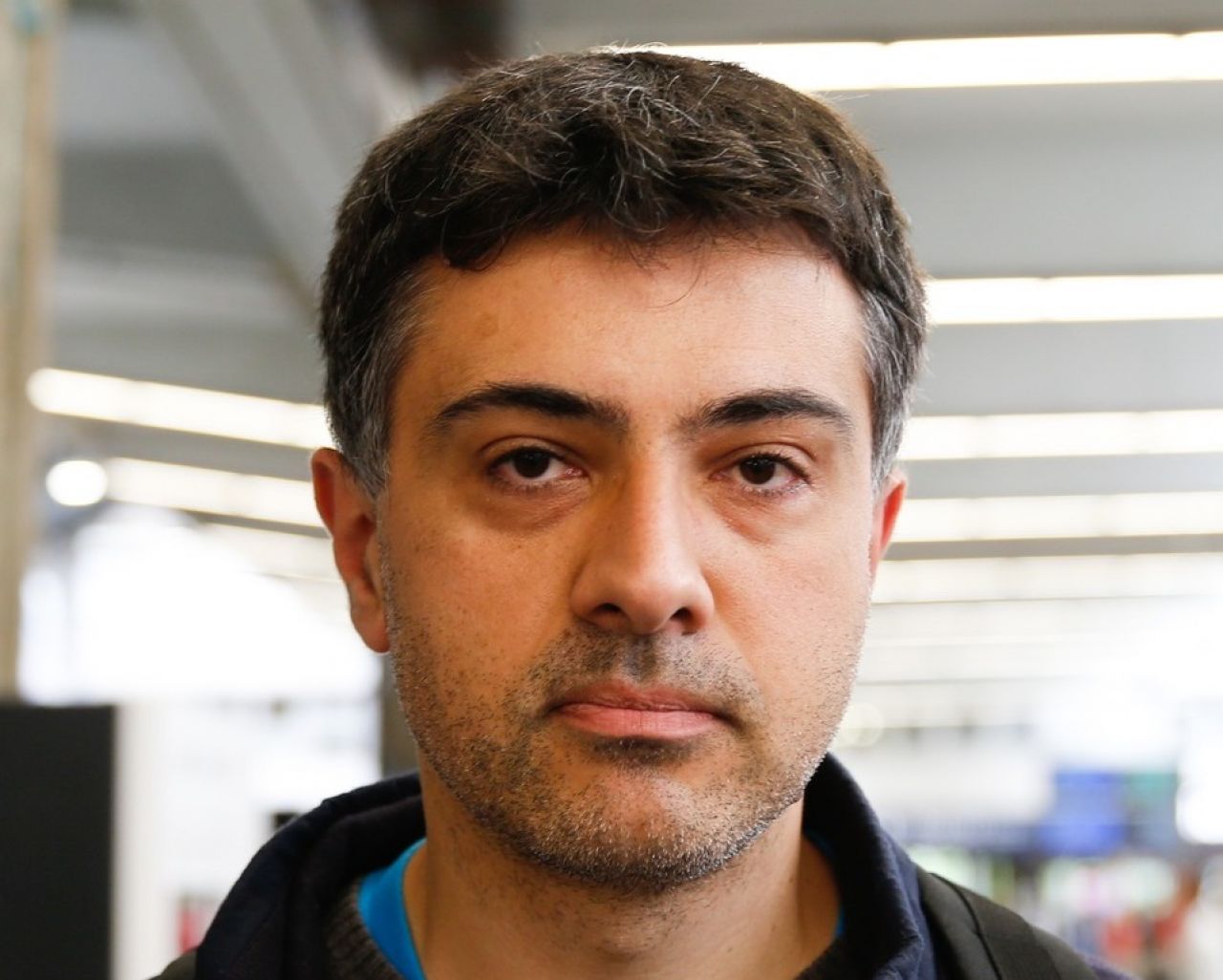
Prof.
Sébastien Lebègue
|
After completing a PhD (2000-2003) at the IPCMS-Strasbourg on the development of the GW approximation under the supervision of M. Alouani and a postdoc (2003-2005) in the group of O. Eriksson (Uppsala, Sweden), Sébastien Lebègue obtained a CNRS "Research Fellow" position in Nancy
(France) in 2005 and was promoted to Research Professor in 2017. SL is developing and using ab initio methods to understand the electronic structure of solid state compounds, like layered compounds, 2D materials, and surfaces. In particular, SL has developed an expertise in methods
going beyond standard density functional theory concerning van der Waals forces (semi-empirical corrections to DFT, random phase approximation), excited states properties (GW method, Hubbard-I, Bethe-Salpeter equation), which are oftenly
needed to describe in a realistic way the systems of interest
|
|
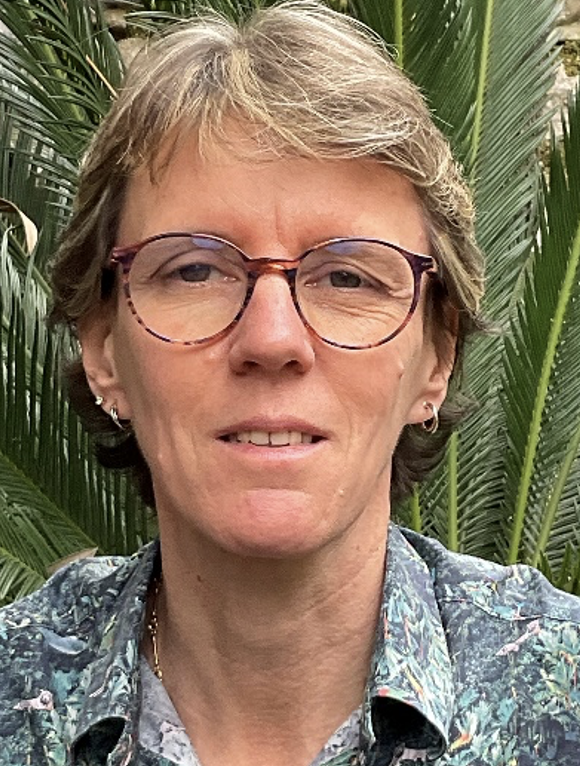
Prof.
Laurence Masson
|
Laurence Masson is Professor of Physics at
Aix-Marseille University (France). She received her Ph.D. in solid state physics in 1994 (University Paris-Sud)
and defended her HDR diploma in materials science in 2007 (Aix-Marseille University). She is currently leader of the 2D ASAP (Two-dimensional
Architectures Self Assembled and Properties) research team at the CINaM (Centre Interdisciplinaire de
Nanoscience de Marseille) laboratory. She is also the coordinator of the Nanosciences and
Nanotechnologies master’s degree at Aix-Marseille University. She is an expert
in surface nanopatterning using bottom-up approaches and in template-controlled
growth of nanostructures. She is a specialist of scanning
probe microscopy. For the past twenty years, her research interests have focused on 2D Xene materials,
from their elaboration to the characterization of their peculiar properties.
|
|
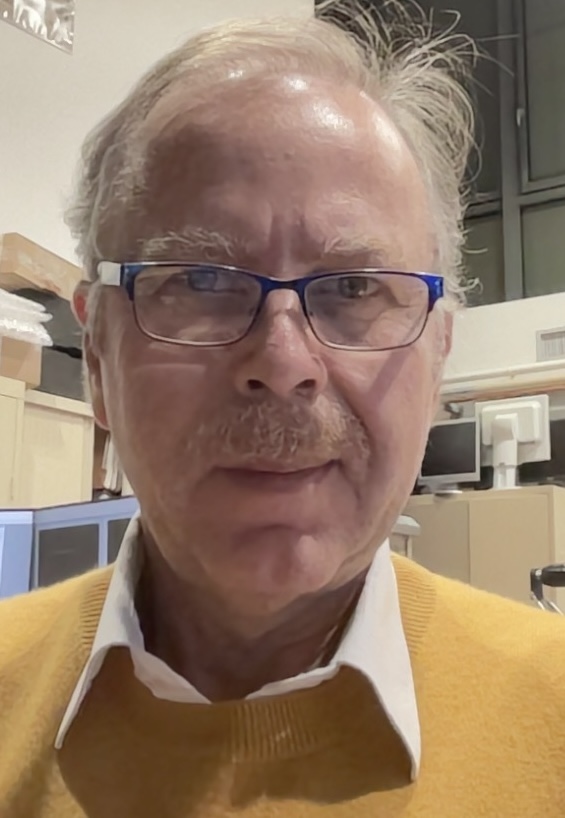
Prof. Yann Girard
|
Yann
Girard is an Assistant Professor of Physics at Université
Paris Cité (France). He obtained his Ph.D.
in solid-state physics in 1992 from Paris 7 University
and completed his Habilitation à Diriger
des Recherches (HDR) in materials science in 2005
at Denis Diderot University. He is currently a member
of the STM research group at the MPQ (Matériaux
et Phénomènes Quantiques) laboratory.
His research expertise focuses on the surface growth
of nanostructures and self-organisation phenomena.
He has extensive experience in scanning probe microscopy
and surface X-ray diffraction techniques. In recent
years, his work has included graphene synthesis
and metal intercalation. His current research is
devoted to investigating the interaction of phosphorus
with metallic surfaces, with the aim of discovering
novel phosphorene allotropes.
|
|
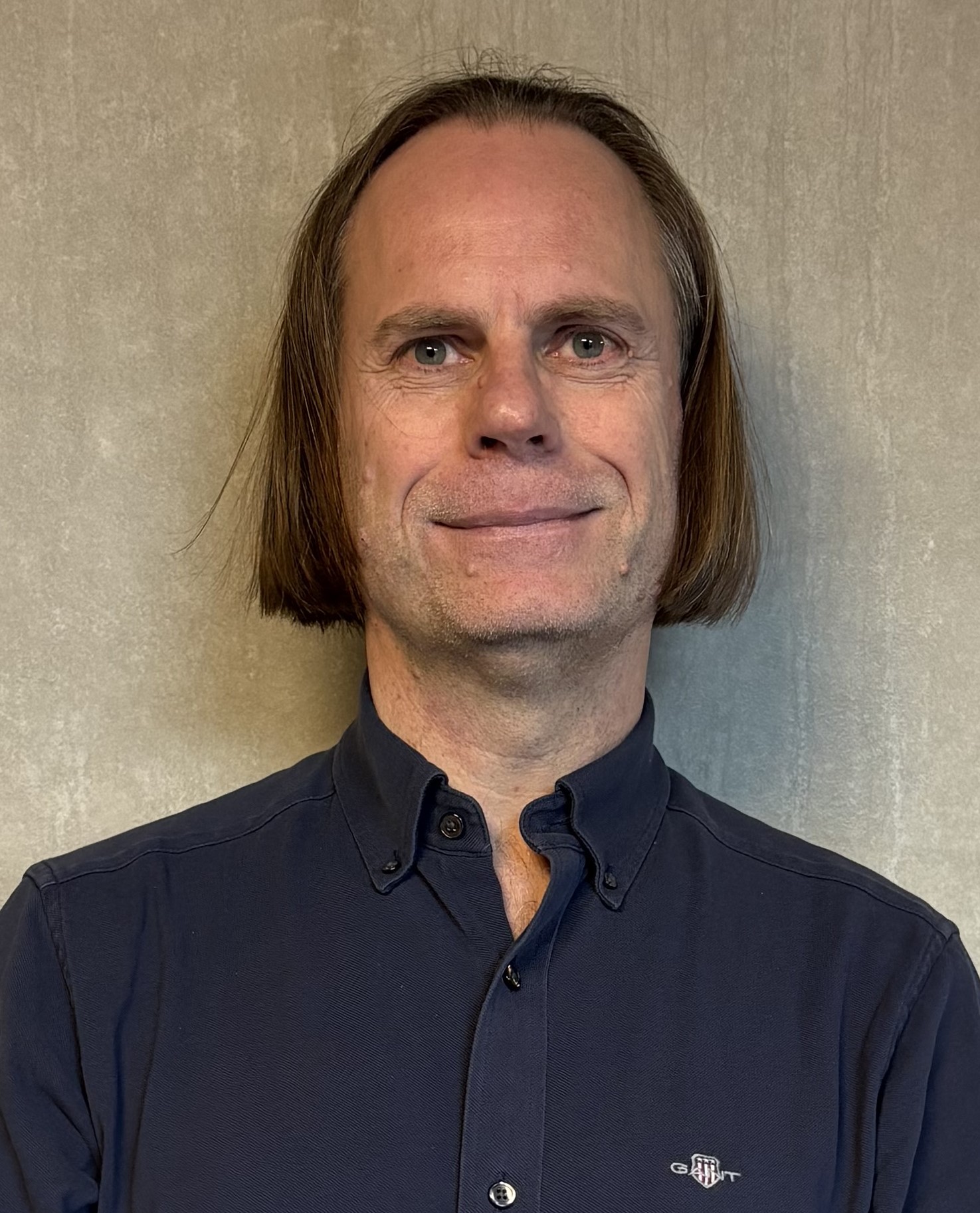
Prof. Tristan Cren
|
Tristan Cren is a CNRS Director of Research at the Institut des NanoSciences de Paris (CNRS & Sorbonne University), where he specializes in the study of quantum materials using scanning tunneling microscopy and spectroscopy (STM/STS) at very low temperatures. His research primarily focuses on two-dimensional (2D) systems and superconductivity, investigating how novel quantum phases emerge in ultra-thin materials and at interfaces. Recently, his work has expanded to include the search for new topological materials, such as chiral superconductivity in hybrid magnetic/superconducting heterostructures and in misfit transition metal
dichalcogenides. He is also studying the quantum spin Hall effect in plumbene, a graphene analog characterized by exceptionally strong spin-orbit coupling.
|
|
Prof. Marie Herve
|
Marie Hervé is a researcher at the French
National Centre for Scientific Research (CNRS), based at the Institut
des Nanosciences de Paris. Her research focuses on exploring the
fundamental
properties of low-dimensional magnetic systems at the atomic scale,
using advanced scanning tunneling microscopy techniques under extreme
conditions. Her current research focuses on the investigation of Van der
Waals magnetic materials, where moiré patterns
can influence the magnetic order, and on the development of
radiofrequency techniques combined with STM to access low-energy
magnetic excitations in these types of systems.
|
|
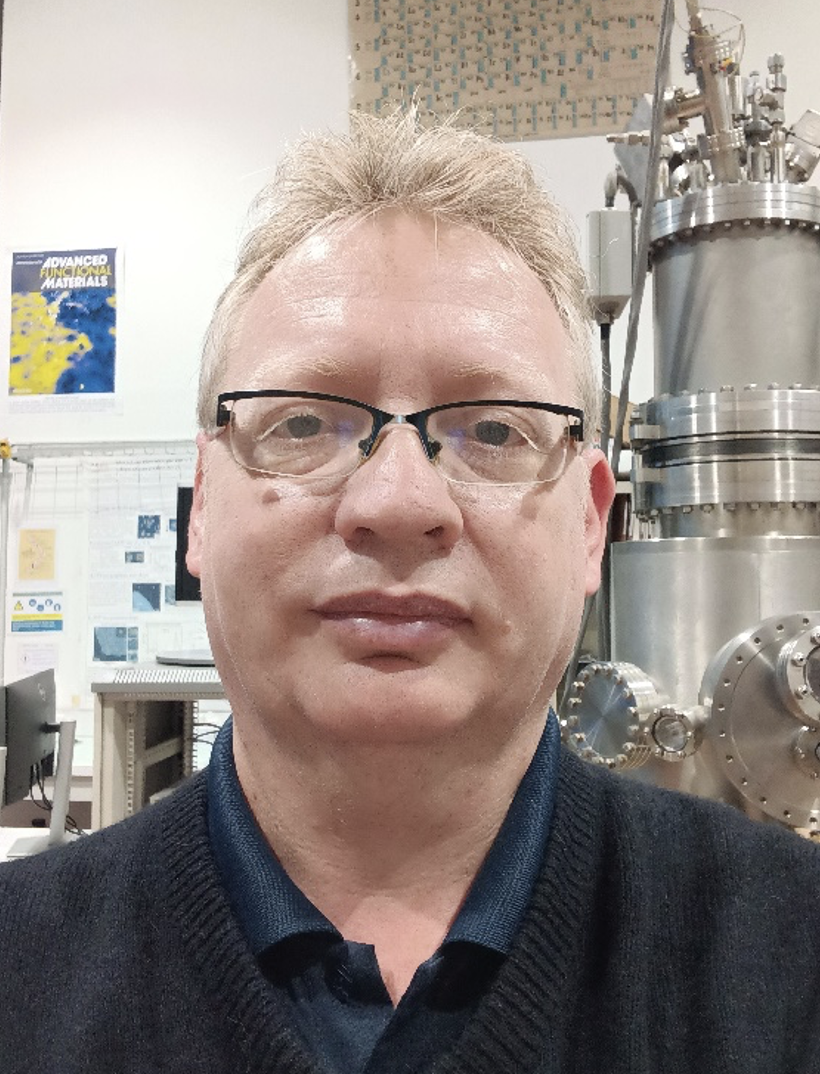
Dr.
Jérôme Lagoute
|
Jérôme
Lagoute is Research Director at CNRS. He leads the STM team at Laboratoire
Matériaux et Phénomènes Quantiques at Université Paris Cité. He is expert in scanning tunneling microscopy
(STM) and spectroscopy (STS). His research is dedicated to the study of
electronic properties of low dimensional materials, nano-objects and
nanostructures. He has previously investigated single molecules on surfaces,
carbon nanotubes, metallic nanostructures in ultra-high vacuum and low
temperature environment. His current research is focused on atomic scale
investigation, defect engineering and heterostructures of two-dimensional
materials including graphene, transition metal dichalcogenides (TMDs), and phosphorene.
|
|
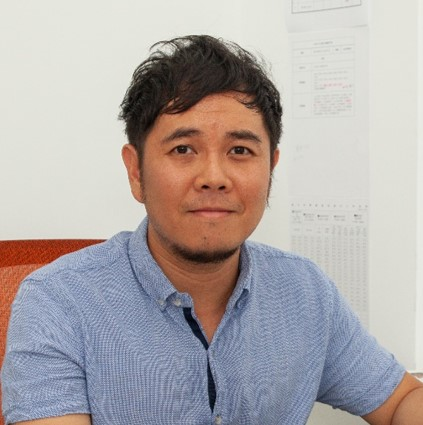
Prof.
Chun-Liang LIN
|
Prof. Chun-Liang Lin started
his research by scanning tunneling microscopy/spectroscopy (STM/S) around 20
years ago. After he received his Ph. D. in physics, he joined The University of Tokyo to continue his research. For more than a decade, his
research covers wide scopes form the geometrical structures of nanoclusters to
electronic structures of two-dimensional (2D) materials. His works related to silicene, a
honeycomb structure of Si, receive
large number of citations and help him to be awarded by Outstanding Young Scientist of The Physical
Society of Japan in 2018. Currently, he is trying to use
STM/S to uncover the
properties in 2D materials.
|
|
Dr.
Vincent Huc
|
Vincent Huc is a senior researcher at the CNRS and leads a research team at Paris-Saclay University. He earned his PhD in molecular electronics at CEA-Saclay in 1999. In 2000, he joined Professor Thomas Ebbesen’s group at the ISIS Institute (Strasbourg) for a postdoctoral position, where he developed a method for preparing graphene on insulating substrates.
His research focuses on the synthesis of nanocarbons (nanotubes, nanocones, etc.) and 2D materials using both conventional CVD processes and organic chemistry approaches. In the latter area, his team is developing new methods for the molecular synthesis of extended 2D carbon nitride networks. He also explores the use of these materials in electronics (transistors, etc.). He is the co-founder and scientific director of two start-ups (AJELIS and NOVECAL).
|
|
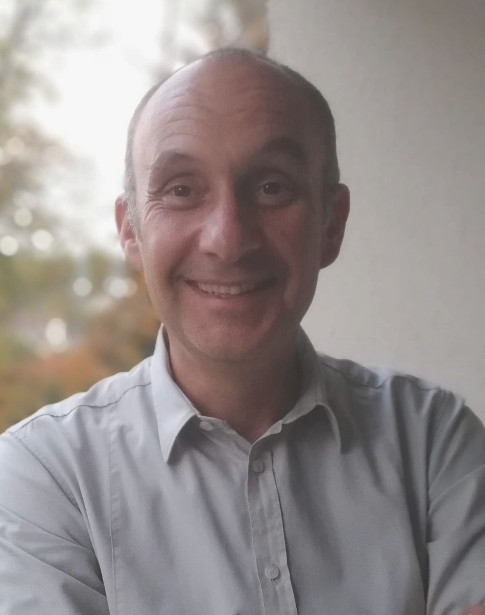
Prof. Ludovic
Tortec
|
In 2006 he
was hired as lecturer (Maître de Conférences) at Sorbonne Université; he is
working on the deposition of thin organic/inorganic film and the
electrical/electronical exchange properties, especially at the interface in
multilayer sample. He belongs to both research institute: the Institut Parisien
de Chimie Moléculaire and Commissariat à l’Energie Atomique (DSM-IRAMIS-NIMBE) and
has worked in the processes of Organic Solar Cells fabrication and
characterization. In this field of expertise, his lab developed skills in the
growth of thin film from monomolecular to multilayers (using evaporation under
vacuum, spin-coating, Atomic layer deposition, etc) but also in the analysis of
the thin films by atomic force microscope (in specific condition such as Kelvin
Probe Force Microscope). Furthermore, Ludovic Tortech is involved in various communication
operation toward the public.
|
Session
Energy
storage
Chair: Dr. Abdelfattah Mahmoud, Liège University,
Belgium
|
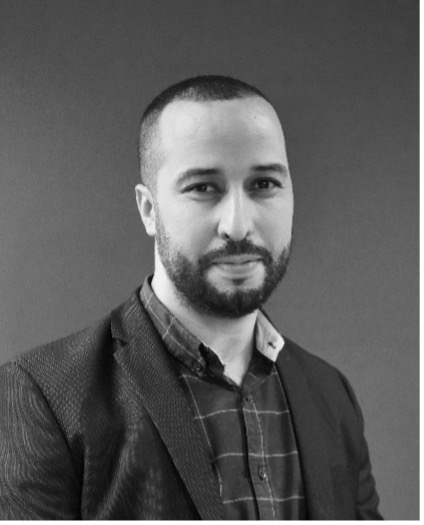
Dr. Abdelfattah Mahmoud
|
Dr. Abdelfattah Mahmoud is the Battery Group Leader at GreenMat Lab of
the University of Liège (Belgium). His research concerns i) the
development of the battery materials for Li-, Na-, K-, and Zn-ion
batteries, ii) all solid-state batteries and iii) recycling
of spent Li-ion batteries and PV panels. He is in charge of the
analytical platforms of electrochemistry and Mössbauer Spectroscopy.
Before joining the University of Liège, Abdelfattah was a Postdoctoral
researcher for 2 years at Forschungszentrum Jülich,
JCNS-2 (Germany). His research focused on the characterization of
electrochemically active materials by nuclear resonance and neutron
scattering techniques. He graduated and obtained his Ph.D. in Materials
Science in December 2012, from Cadi Ayyad University
in Marrakech (Morocco). His Ph.D. focused on the development of three
electrode materials (MnSn2, LiCo2/3Ni1/6Mn1/6O2, Li4Ti5O12) for high
energy density lithium-ion batteries. He has been a visiting researcher
in many research centers, laboratories and Universities:
Oak Ridge National Lab (USA, 2018), Montpellier University (France,
2011), and Materials Science Institute of Madrid (Spain 2009, 2010, and
2012). He authored and co-authored more than 120 peer-reviewed papers, 2
patents, more than 130 conference papers, invited
talks, and extended abstracts..
|
|
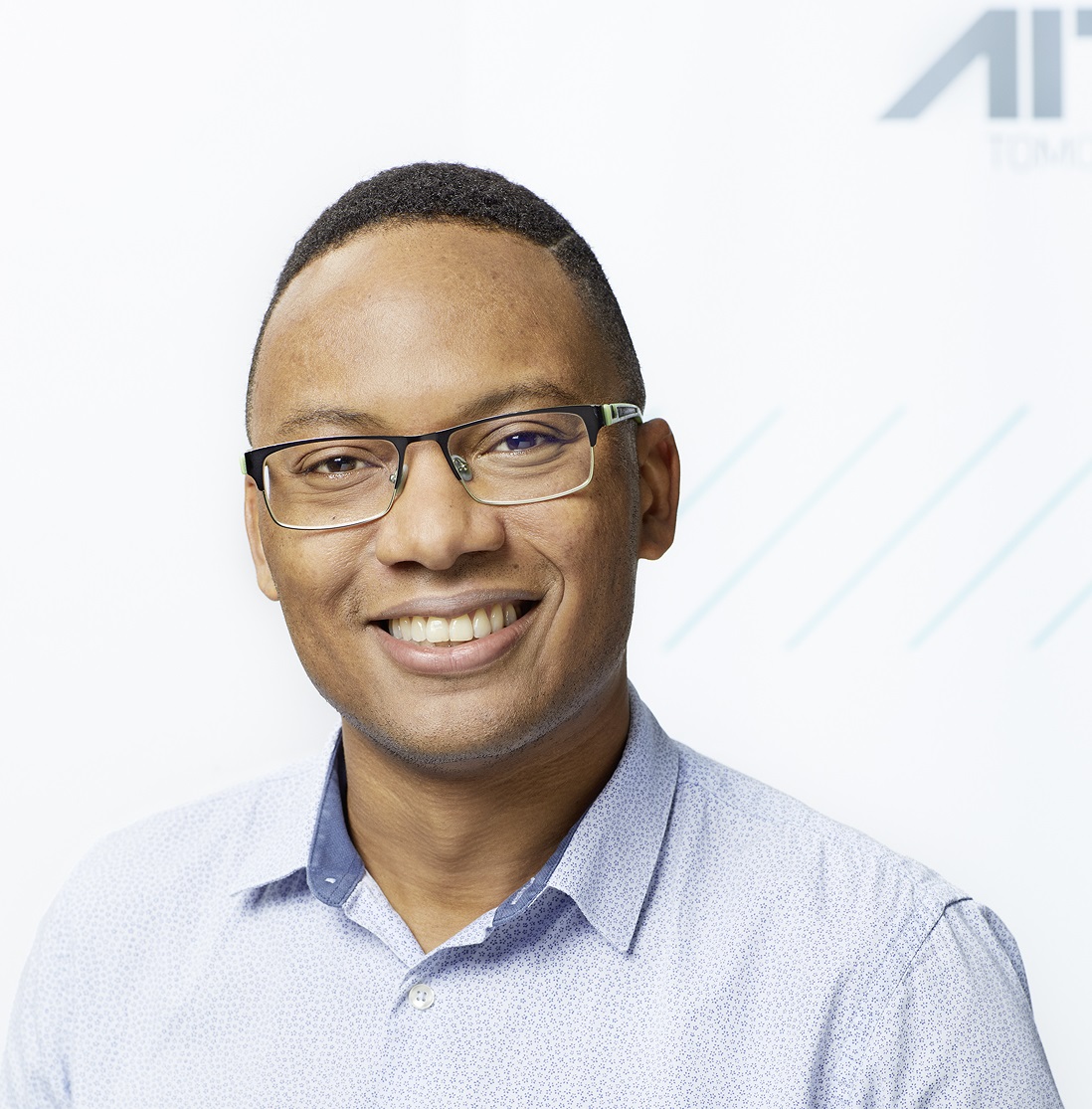
Dr. Damian Cupid
|
Dr. Damian Cupid is Senior Scientist and Thematic Coordinator of the
Battery Materials Development Group at the Austrian Institute of
Technology. He is also coordinator of the Project “STREAMS: Sustainable
Technologies for Reducing Europe’s battery raw Materials
dependence”, which is funded by the European Union’s Horizon Europe
research and innovation programme. His research activities are focused
on the development of high-performance and sustainable battery active
materials that are designed to meet future demand.
Dr. Cupid holds a PhD in Materials Science and Engineering from the
University of Florida, and spent many years working in the field of
materials thermodynamics, including experiments, modelling and
simulation, before transitioning to battery materials.
|
|
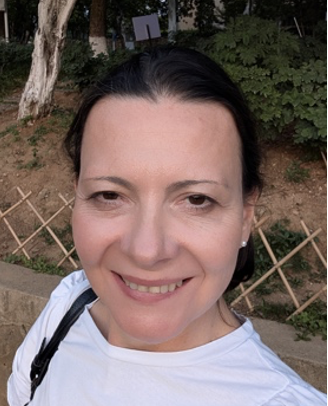
Dr.
Jolanta Światowska
|
Dr Jolanta Światowska is Research Director at CNRS, Chimie ParisTech–PSL University. Her
research addresses fundamental mechanisms governing surface reactivity,
corrosion, and electrochemical ageing of metals, alloys, and oxides in liquid
and gaseous environments, with strong implications for energy conversion and
storage technologies. She develops original interface-driven approaches
combining electrochemistry with advanced surface-sensitive techniques (XPS,
ToF-SIMS, AFM) to unravel key processes such as passivation, adsorption, and
degradation. Her work spans corrosion protection strategies, thin-film surface
engineering, and interfacial phenomena in lithium-ion and metal–air batteries.
Dr Światowska has published over 100 peer-reviewed articles (h-index 41,
February 2026) and has delivered more than 140 invited and contributed
conference presentations worldwide. She has supervised 20 PhD students and 14
postdoctoral researchers.
|
|
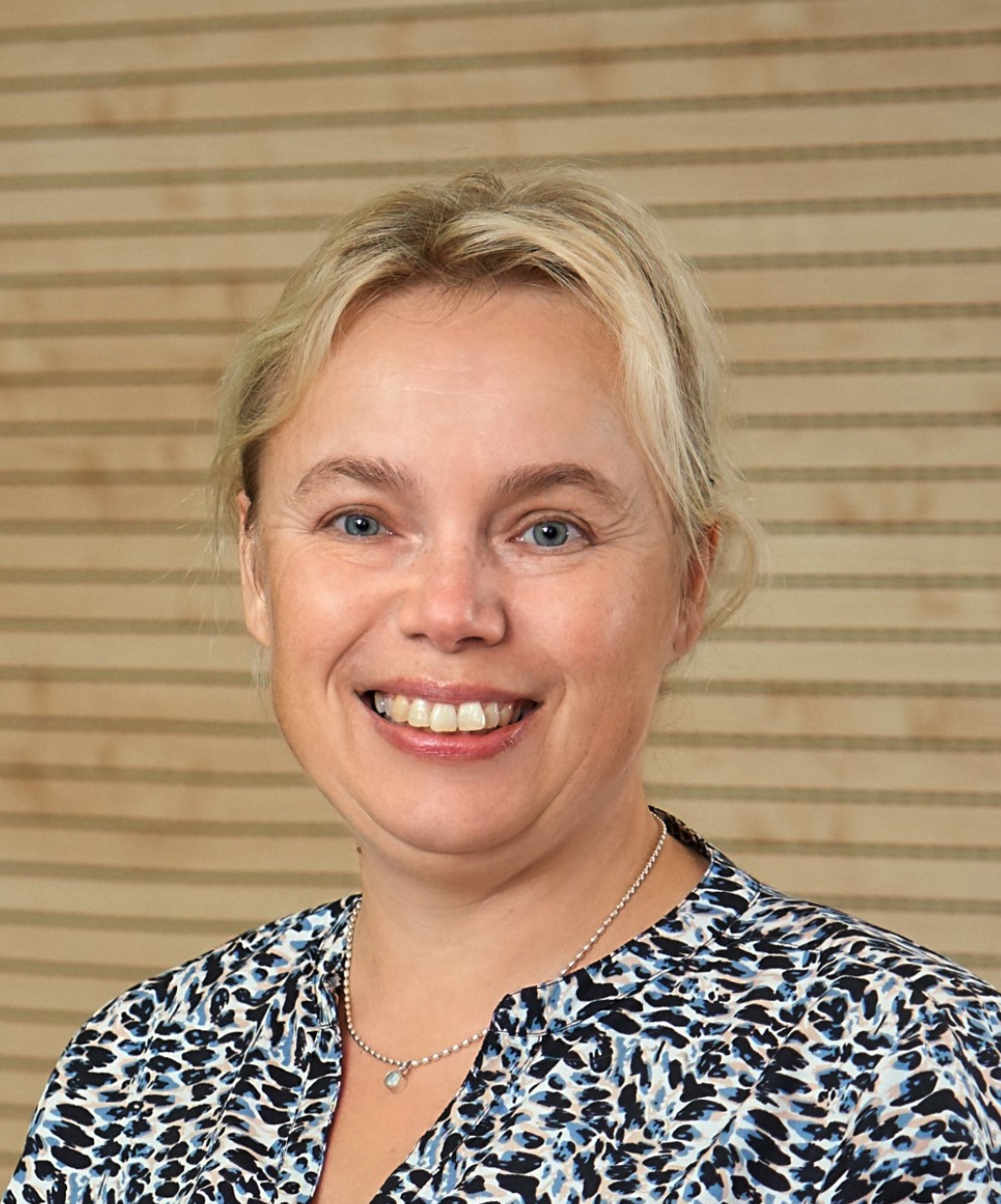
Prof.
Ulla lassi
|
Ulla
Lassi is a Doctor of Technology and a professor
in Applied Chemistry and Process Chemistry at the
University of Oulu, Finland. Currently she is also
the Head of Research Unit of Sustainable Chemistry.
Her research areas involve inorganic material chemistry
in industrial applications, esp. lithium-ion and
sodium-ion battery chemicals, and related circular
economy. She has over 290 peerly reviewed scientific
publications, six patents and four invention disclosures.
As a professor, she has supervised 35 PhD theses
and more than 150 M.Sc theses. Lassi has been the
principal investigator of over 40 research projects,
funded by European Union Horizon Europe, Research
Council of Finland, and Business Finland. Professor
Lassi is also an active member in several scientific
and educational societies and committees. She has
several positions of trust, e.g. in international
battery associations and evaluation committees.
Lassi was one of the writers of Finnish National
Battery Strategy in 2025. She has also been awarded
Tandem Industry Academy Professor in the field of
battery chemistry for 2023-2025.
|
|
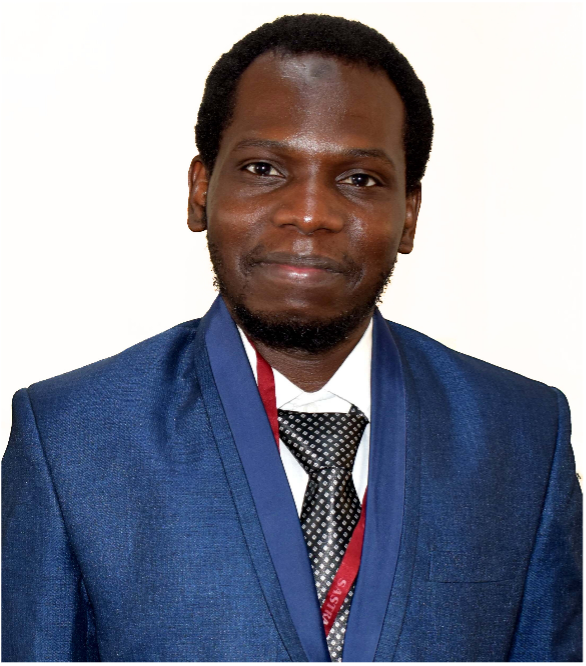
Dr.
Mustapha Balarabe
|
Dr.
Mustapha Balarabe Idris is a Research Fellow at the Institute for
Nanotechnology and Water Sustainability (iNanoWS), University of South Africa.
He obtained his PhD in Materials Electrochemistry from SASTRA Deemed
University, India. His research centres on carbon-based nanomaterials for
electrochemical energy storage and conversion, including supercapacitors,
zinc-air batteries, and hybrid capacitors, with particular emphasis on
interfacial charge kinetics and electrolyte engineering. He has authored over 30
peer-reviewed publications in SCI-indexed journals with an H-index of 14. He is
a recipient of the C. V. Raman International Fellowship for African
Researchers. He has secured 5 research grants from both national and
international funding agencies, including the German Ministry of Education and
Research through TWAS, Tertiary Education Trust Fund, Nigeria, among others.
|
Green
Hydrogen
and Novel Materials
Chair: Prof. Omar Mounkachi, College
of Computing, UM6P, Mohammed
V University, Morocco
|
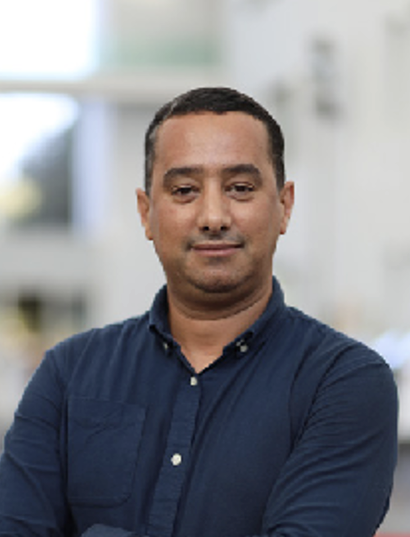
Prof. Omar Mounkachi
|
Prof.
Omar Mounkachi is a professor at the Faculty of Sciences of Mohammed V
University in Rabat and an affiliated professor at the UM6P, College of
Computing at Mohammed VI Polytechnic University. He obtained his PhD in
computational modeling of physical and chemical properties of nanomaterials
from Mohammed V University in Rabat in 2009.
Professor Mounkachi has over 16 years of experience in leading and managing
research projects, within the framework of numerous international academic
collaborations and industrial partnerships. With more than 260 scientific
publications in international journals and 16 patents to his name, he actively
contributes to the advancement of both fundamental and applied research in
Morocco and internationally. Prof. Omar MOUNKACHI has received over $5M in grants
in the past 5 years.
|
|
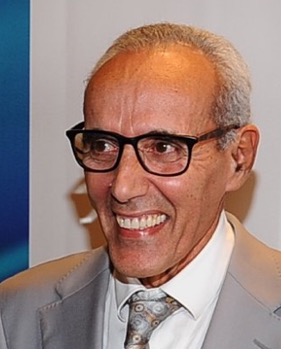
Prof.
Abdelilah Benyoussef
|
Abdelilah Benyoussef a obtenu son
doctorat d'État à l'Université Paris-Sud en 1983. Il est membre résident de
l'Académie Hassan II des sciences et techniques depuis 2006. Il a coordonné au
niveau national le Pôle de compétences de la matière condensée et de la
modélisation des systèmes. Il a également presidé le comité de rédaction de la
Revue Marocaine de Matière Condensée. Il a présidé la Société Marocaine de
Physique Statistique et de la Matière Condensée. Les principaux sujets
d'intérêt de Abdelilah Benyoussef sont: modélisation et simulation de nouveaux
matériaux et nanomatériaux pour les énergies renouvelables; Magnétisme et
transition de phase en matière condensée; systèmes complexes et
auto-organization critique en physique statistique. Il est co-auteur de plus de
600 publications et chapitres de livres et d'environ 100 présentations comme
conférencier invité dans des conférences internationales. Il a co-présidé ou
co-organisé plusieurs conférences internationales. Il détient de nombreux
brevets et Il a supervisé plus de 40 doctorats sur un large éventail
de sujets liés à la physique statistique, la matière condensée et la
modélisation et la simulation.
|
| 
Dr.
Majid EL Kassaoui
|
Dr.
Majid EL Kassaoui is
currently a Postdoctoral Researcher at the College of Computing, Mohammed VI
Polytechnic University (UM6P), Morocco. His research focuses on multiscale
computational modeling and data-driven approaches for the design and
optimization of advanced materials for sustainable energy applications, with
particular emphasis on hydrogen storage technologies. He received his PhD in Physico-Chemistry of Materials
and Nanotechnology from the Faculty of Sciences, Mohammed V University in 2022.
Following his PhD, he joined the Sustainable Energy Chair (ENSUS) at UCA-UM6P
as a postdoctoral researcher, where he worked on the development of new
electrode materials within the ENSUS research project.His expertise spans density functional theory (DFT),
ab initio molecular dynamics (AIMD), and multiscale modeling techniques applied
to the study of hydrogen adsorption, storage, and diffusion mechanisms in
porous and low-dimensional materials. His research has focused on Metal-Organic
Frameworks (MOFs), covalent organic frameworks (COFs), carbon-based
nanostructures, and emerging two-dimensional (2D) materials as promising
candidates for hydrogen storage. His work aims to establish structure property
relationships governing hydrogen uptake, binding energies, diffusion pathways,
gravimetric and volumetric storage capacities, and material stability under
operating conditions.More recently, he has expanded his research toward
integrating machine learning and artificial intelligence techniques with
atomistic simulations to accelerate the discovery and optimization of
next-generation materials for hydrogen storage, energy conversion, and
electrochemical energy storage. Dr. EL Kassaoui has authored more than 42
peer-reviewed scientific publications (h-index 18, May 2026) and has served as
a reviewer for over 100 manuscripts in leading international journals covering
materials science, nanotechnology, computational chemistry, and sustainable
energy.
|
Advanced
Materials and characterization
Chair: Dr. Hamid Oubaha,
Liège
University, Belgium
|
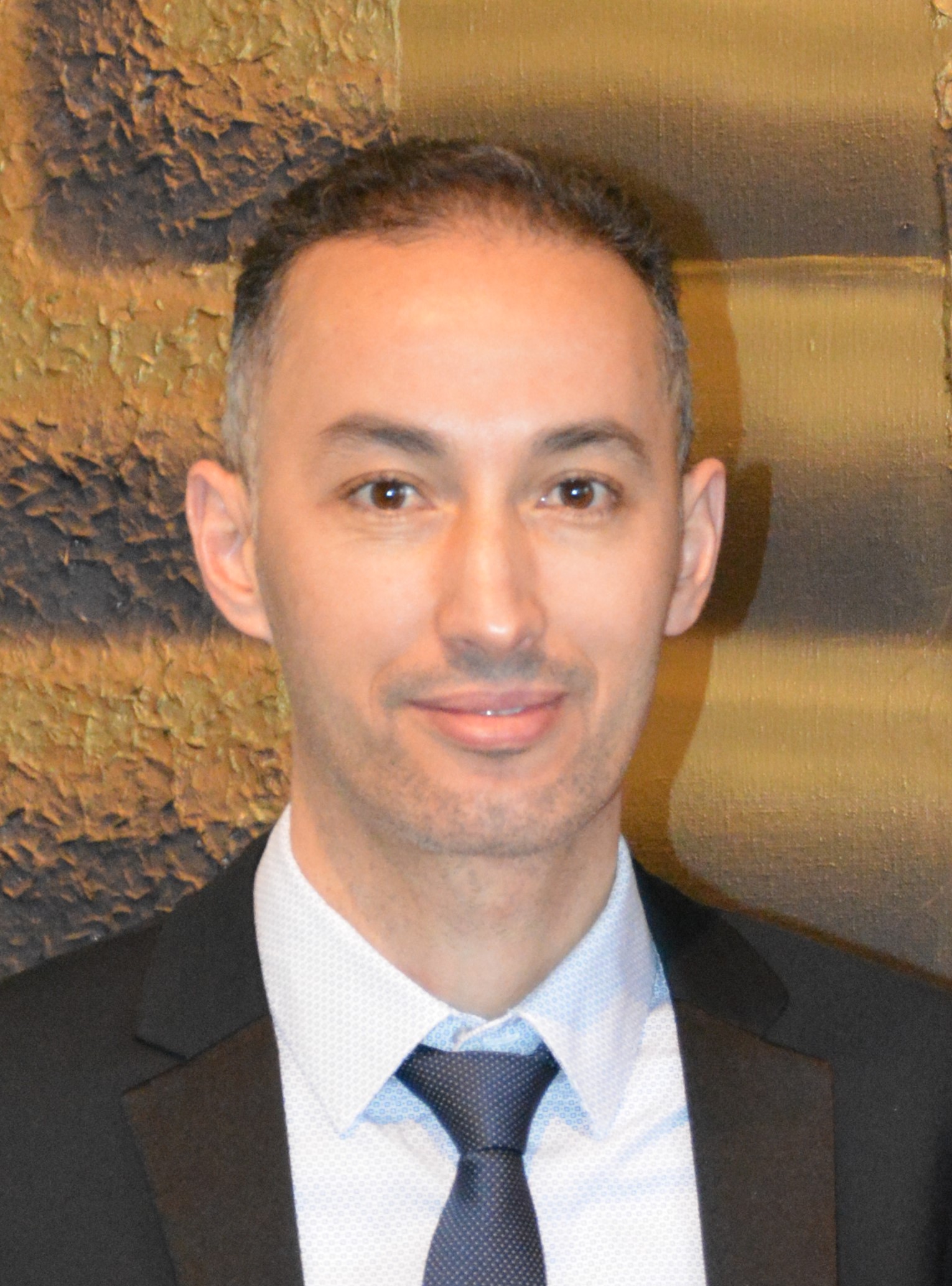
Dr. Hamid
Oubaha
|
Dr.
Hamid Oubaha is an R&D Research Project Manager
at LIEGE University in Belgium. He specializes in
the synthesis and recycling of energy storage materials.
His research emphasizes the valorization of silicon
recovered from end-of-life solar panels and wafering
waste, as high-performance anode materials for lithium-ion
batteries. He is also actively engaged in developing
innovative recycling strategies for end-of-life
LIBs and brings solid experience in Horizon Europe
projects preparation and technical management
|
|
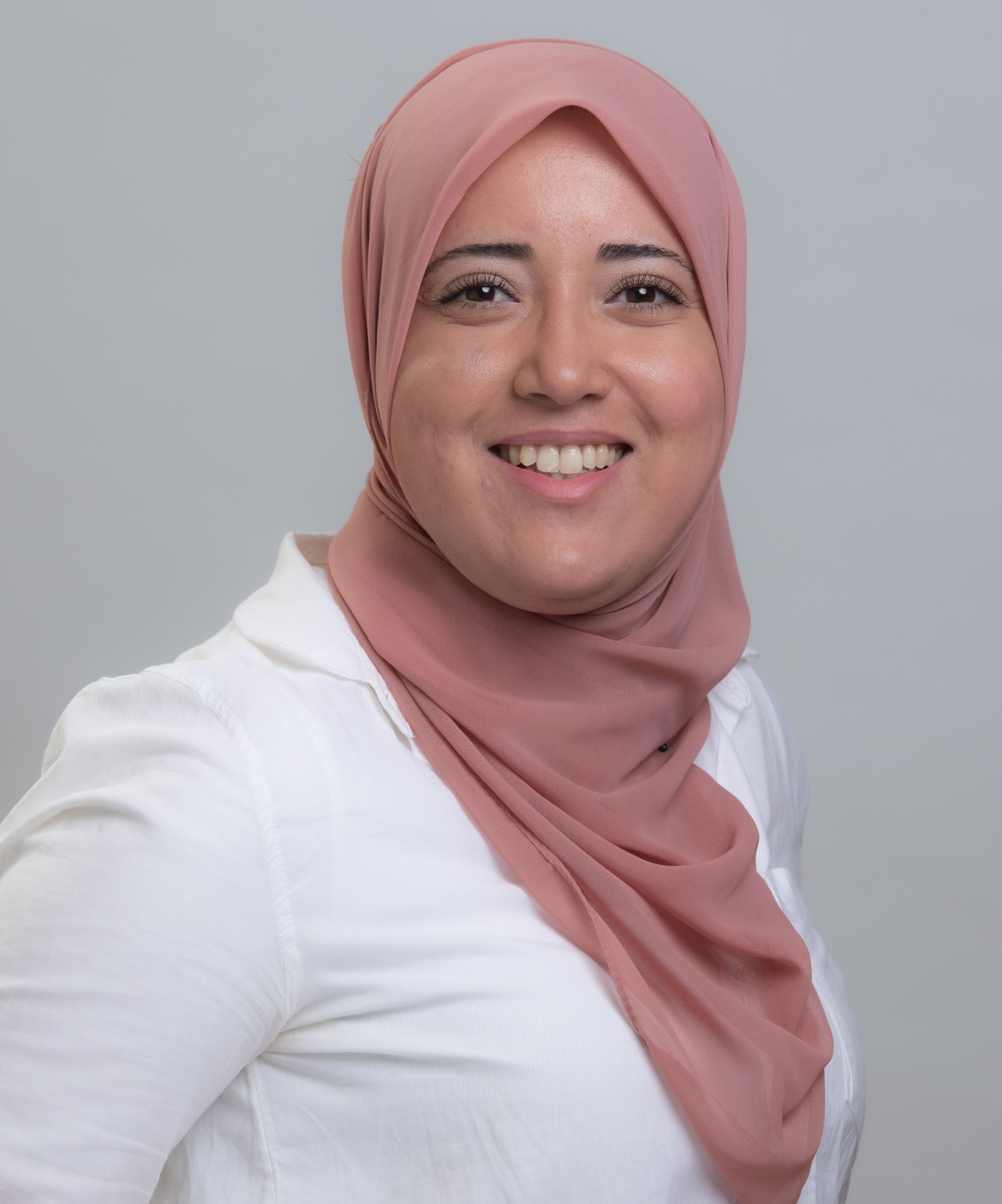
Dr.
Nouha GAZBOUR
|
With over 10 years of experience as Head of the Sustainability Team
at CEA INES, Nouha GAZBOUR has established herself as a leading expert
in environmental strategy and strategic marketing within the
photovoltaic sector. Deeply engaged in regulatory developments,
she plays a key role in implementing environmental policies for
photovoltaics at the national level in France, while actively
contributing to major international initiatives as a member of the NSF
Global Electronics Council and the IEA PVPS Task 12. Since
2019, she has also been involved with the European Commission (DG
CLIMATE) under the Innovation Fund, where she leads environmental and
economic modeling activities for large-scale industrial projects. Having
contributed to more than 10 high-impact projects,
she has developed strong expertise in the photovoltaic market,
including its environmental footprint and economic value creation. She
holds an engineering degree from the National Engineering School of
Monastir and a PhD in Environmental Engineering from the
University of Grenoble and ENSAM (2019). During her doctoral research,
she developed an eco-design tool based on Life Cycle Assessment (LCA),
which is now widely used at INES and has been successfully extended to
other industrial sectors—demonstrating both
its scalability and long-term impact.
|
|